
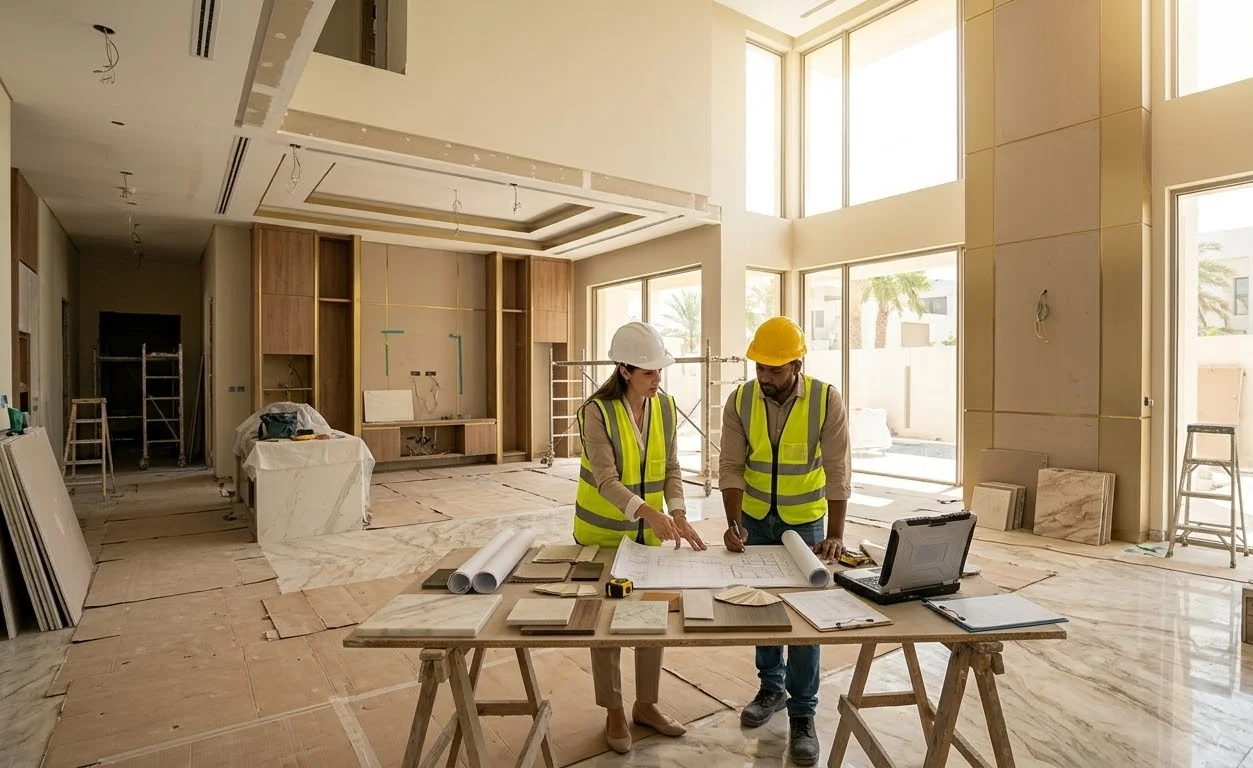
A home renovation can transform how you live, but it can also become stressful, expensive and slow without proper planning. Whether you are updating a single kitchen or reworking an entire property, the difference between a smooth project and a frustrating one usually comes down to preparation. In the UAE, where homeowners often invest in high-end finishes and bespoke layouts, a well-organised approach matters even more. A project like a luxury villa fit out Abu Dhabi demands careful coordination of design, approvals, materials and trades from day one.
This guide walks you through each stage of planning a renovation, from setting goals to final handover, so you can move forward with clarity and confidence.
1. Define Your Goals and Priorities
Before you look at paint colours or floor tiles, ask yourself why you are renovating. Common motivations include:
- Improving comfort and functionality
- Creating more usable space
- Updating outdated finishes or systems
- Increasing property value
- Preparing the home for a growing family
Write down your goals and rank them. A “must-have” list (such as a new kitchen layout or upgraded electrical wiring) should be separated from a “nice-to-have” list (such as a feature wall or smart lighting). This ranking becomes your decision-making filter when budgets get tight or surprises appear.
2. Set a Realistic Budget
Budgeting is the foundation of any renovation. Many homeowners underestimate costs because they focus only on materials and labour while overlooking design fees, permits, furniture, and clean-up.
A practical budget should include:
- Design and consultancy fees: architects, interior designers and engineers
- Construction and labour costs: demolition, structural work, MEP (mechanical, electrical, plumbing), joinery and finishing
- Materials and fixtures: flooring, sanitaryware, lighting, kitchen units and more
- Permits and authority fees
- Contingency fund: set aside 10 to 20 percent for unexpected issues
Hidden problems such as old plumbing, moisture damage or outdated wiring are common once walls are opened. A contingency fund protects you from stalling the project halfway through. If you are planning a private villa fit out Abu Dhabi, budget separately for outdoor areas, landscaping, and external works, since these are often forgotten in early estimates.
3. Gather Inspiration and Develop a Design Concept
Once your goals and budget are clear, begin collecting ideas. Browse design magazines, save images, and note the colours, textures and layouts you like. Look for patterns in what you choose, such as a preference for minimalist lines, warm natural materials or classic detailing.
Share these references with your designer so they can translate your taste into a cohesive concept. A strong concept usually includes:
- A space plan showing how rooms connect and flow
- A colour and material palette
- Lighting layouts for ambient, task and accent lighting
- 3D visuals or mood boards to preview the result
For a luxury villa fit out Abu Dhabi, design decisions often extend to double-height spaces, custom joinery, premium stone and statement lighting, so the concept stage deserves extra time. Changes made on paper cost very little compared to changes made on site.
4. Choose the Right Professionals
The team you hire has the biggest influence on quality, timing and stress levels. Depending on the project size, you may need an architect, interior designer, structural engineer, project manager and main contractor.
When selecting a villa fit out contractor in Abu Dhabi, evaluate candidates on more than price. Consider:
- Experience: Have they completed projects similar in size and style?
- Portfolio and references: Ask to see completed work and speak to previous clients.
- Licensing and insurance: Confirm valid trade licences and insurance coverage.
- In-house capabilities: Companies with their own joinery, MEP and finishing teams tend to coordinate better.
- Communication: A good contractor explains clearly, responds promptly and documents decisions.
Request detailed, itemised quotations from at least three companies. Compare scope, materials and exclusions line by line, because the cheapest quote often leaves out items that appear later as variations.
5. Understand Permits and Approvals
Renovations typically require approvals from the relevant authorities, especially when the work involves structural changes, facade modifications, extensions or major MEP alterations. In Abu Dhabi, this may involve municipality and community developer approvals, plus no-objection certificates (NOCs) from utility providers.
Do not start work before approvals are in place. Unapproved work can lead to fines, forced rework or delays at handover. Your consultant or contractor can usually manage submissions, but you should confirm in writing who is responsible for each approval and what the expected timeline is.
6. Build a Detailed Timeline
A renovation timeline should break the project into clear phases with start dates, end dates and dependencies. A typical sequence looks like this:
- Design development and approvals
- Procurement of long-lead items
- Site mobilisation and protection
- Demolition and strip-out
- Structural and civil works
- MEP first fix (concealed electrical, plumbing and air-conditioning)
- Plastering, waterproofing and screeding
- Flooring, wall finishes, joinery and ceilings
- MEP second fix (fixtures, sockets, lighting)
- Painting, final finishes and cleaning
- Inspection, snagging and handover
Long-lead items such as imported stone, custom furniture, specialty lighting and kitchen systems can take weeks or months to arrive. Order them early so they do not hold up the schedule. A well-planned private villa fit out Abu Dhabi often runs several months, so build buffer time into your expectations and avoid fixing a move-in date too early.
7. Select Materials and Finishes Wisely
Material choices influence appearance, durability, maintenance and budget. In a hot climate, consider how finishes respond to heat, humidity and strong sunlight. For example:
- Flooring: Porcelain, natural stone and engineered wood each have different performance and upkeep needs.
- Paint and wall finishes: Choose products suited to high-temperature environments and easy cleaning.
- Joinery: Look for moisture-resistant boards and quality hardware.
- Cooling and energy efficiency: Insulation, glazing and efficient air-conditioning reduce long-term running costs.
Visit showrooms, request physical samples and view them in your own lighting. Colours and textures can look very different at home than they do on a screen or in a store.
8. Plan for Life During Construction
Renovation affects daily routines. Decide early whether you will live in the property or move out temporarily. For larger projects, relocating usually speeds up the work and reduces dust, noise and safety concerns.
If you stay, discuss with your contractor how areas will be sealed off, how dust will be controlled and when noisy tasks will occur. Protect furniture, vents and flooring, and agree on site working hours that suit you and your neighbours.
9. Maintain Clear Communication and Oversight
Regular communication keeps projects on track. Agree on a schedule for site meetings, progress reports and photo updates. Keep a written record of all decisions, approvals and changes.
Be cautious with variations. Every change to scope, finishes or layout affects cost and time. Ask for a written variation order before approving anything so you know the financial and scheduling impact in advance.
10. Inspect, Snag and Handover
As the work nears completion, carry out a thorough inspection. Walk through every room with your contractor and create a snagging list noting defects such as uneven paint, misaligned doors, damaged tiles, faulty fixtures or poor sealant lines.
Before final payment, make sure that:
- All snagging items are resolved
- Systems such as lighting, air-conditioning, plumbing and security have been tested
- You have received warranties, manuals and as-built drawings
- The site has been professionally cleaned
Retention clauses, where a portion of payment is held until defects are corrected, give you added protection during the warranty period.
Common Renovation Mistakes to Avoid
- Starting without a finalised design
- Choosing a contractor based only on the lowest price
- Ignoring contingency funds
- Underestimating timelines
- Changing the scope repeatedly during construction
- Skipping permits and approvals
- Neglecting ventilation, lighting and storage in the planning stage
Final Thoughts
A successful renovation is built on preparation: clear goals, a realistic budget, a thoughtful design, proper approvals and a reliable team. Take the time to plan each stage, document every decision and keep communication open from start to finish. If you are planning a high-end project, working with an experienced villa fit out contractor in Abu Dhabi can help you navigate approvals, coordinate trades and maintain quality at every step. With the right planning, a private villa fit out Abu Dhabi can be completed on schedule, within budget and to a standard that reflects the way you want to live.
Frequently Asked Question
1. How long does a home renovation usually take?
A single room may take 4 to 8 weeks, while a full villa renovation can take several months. Approvals and imported materials often add time, so build in a buffer.
2. How much should I set aside as a contingency budget?
Most professionals recommend 10 to 20 percent of your total budget. Older properties may need the higher end because hidden issues often appear once walls are opened.
3. Do I need permits for a home renovation in Abu Dhabi?
Usually yes, especially for structural changes, extensions or major MEP alterations. Approvals may be needed from the municipality, community developer and utility providers.
4. What should I look for when choosing a renovation contractor?
Check their experience with similar projects, valid licences, insurance and client references. Compare itemised quotations from at least three companies, not just the total price.
5. Should I live in the property during renovation?
For small projects it is manageable, but for large-scale work moving out is usually better. It speeds up the work and avoids dust, noise and safety concerns.
6. What is the difference between a renovation and a fit out?
A renovation updates or improves an existing space, while a fit out covers the complete interior build-out. This includes partitions, ceilings, MEP, joinery, flooring and finishing.
