
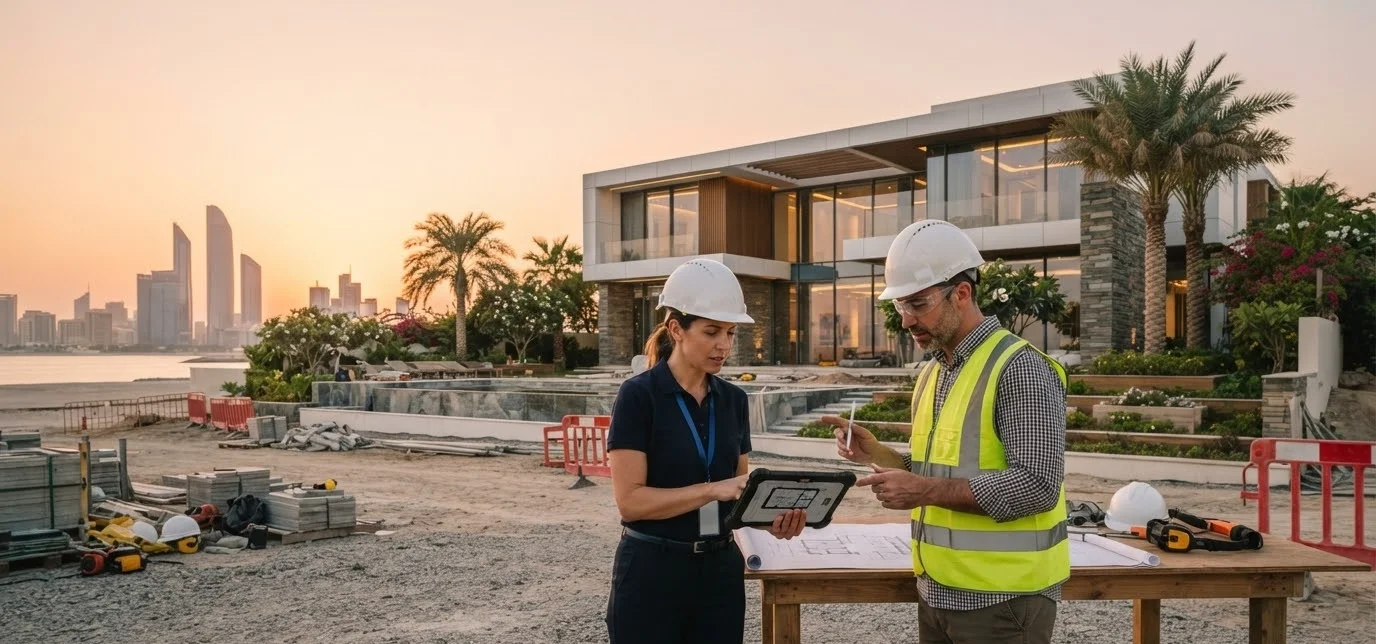
Building a villa is one of the biggest financial and emotional investments a homeowner will make. Whether it is a family residence or a showpiece estate, the process involves hundreds of decisions, from design and approvals to materials and finishing. In a region with extreme heat, high humidity, and strict building regulations, small errors can turn into expensive problems. This is especially true in luxury villa construction in abu dhabi, where expectations for quality, durability, and finish are very high.
The good news is that most villa construction mistakes are predictable and preventable. This guide covers the most common ones and how to avoid them.
1. Starting Without a Detailed Plan and Realistic Budget
One of the most frequent mistakes is breaking ground before the design, scope, and budget are fully defined. Owners often begin with a rough idea and a loose number, then discover mid-project that costs have climbed well beyond expectations.
How to avoid it:
- Finalize architectural, structural, and MEP (mechanical, electrical, plumbing) drawings before construction begins.
- Prepare a line-by-line budget that includes design fees, authority charges, materials, labor, landscaping, and furnishings.
- Set aside a contingency of 10–15% for unforeseen costs.
- Get itemized quotations rather than lump-sum figures, so you can compare offers accurately.
A well-prepared plan reduces confusion, limits disputes, and keeps the project on schedule.
2. Hiring the Wrong Contractor
Choosing a contractor on price alone is a costly error. The lowest bid often reflects cut corners, inexperienced labor, or hidden charges that appear later. A poorly managed contractor can cause delays, quality issues, and legal complications.
How to avoid it:
- Verify the company’s trade license, registrations, and approvals with the relevant authorities.
- Review completed villa projects and, where possible, visit them in person.
- Ask for client references and speak to past customers about communication, timelines, and handover quality.
- Choose a firm that offers integrated construction services Abu Dhabi homeowners can rely on, covering design coordination, civil works, MEP, and finishing under one accountable team.
A reliable contractor is transparent about timelines, costs, and risks from the first meeting.
3. Ignoring Local Regulations and Approvals
Abu Dhabi has detailed building codes, zoning rules, and approval procedures. Starting work without the proper permits, or building outside approved plans, can result in fines, stop-work orders, or even demolition of non-compliant sections.
How to avoid it:
- Confirm plot regulations, setbacks, height limits, and built-up area allowances before finalizing the design.
- Make sure all drawings are approved by the relevant municipal and utility authorities before work begins.
- Check sustainability requirements, such as Estidama guidelines, where applicable.
- Keep all permits and approved drawings on file and share them with your contractor and consultant.
Never allow site work to run ahead of approvals. The time saved is rarely worth the risk.
4. Overlooking Soil Conditions and Site Preparation
The foundation carries the entire structure, yet many owners treat site preparation as a formality. In coastal and desert environments, soil composition, groundwater levels, and salinity can significantly affect foundation design and concrete durability.
How to avoid it:
- Commission a geotechnical soil investigation before finalizing structural design.
- Use sulfate-resistant cement and appropriate protective coatings in areas with high salinity or groundwater.
- Ensure proper compaction, leveling, and drainage planning at the site.
- Have a qualified structural engineer review and approve the foundation design.
Skipping this step can lead to cracking, settlement, and long-term structural damage that is difficult and expensive to repair.
5. Using Low-Quality or Unsuitable Materials
Materials that perform well in temperate climates may not survive Abu Dhabi’s heat, humidity, and sand-laden air. Substandard concrete, steel, tiles, paints, and fittings can deteriorate quickly, leading to early repairs.
How to avoid it:
- Specify materials suited to hot, humid, and saline conditions.
- Request test certificates and supplier documentation for key materials such as concrete, rebar, and waterproofing products.
- Avoid last-minute substitutions that change the quality of the original specification.
- Prioritize quality in hidden elements such as pipes, cables, and insulation, since they are costly to replace later.
Spending more upfront on durable materials typically saves money over the life of the villa.
6. Poor Waterproofing and Thermal Insulation
Water leakage and heat gain are two of the most common complaints in villas. Roofs, bathrooms, basements, swimming pools, and external walls are all vulnerable points. Weak waterproofing leads to dampness, mold, and damaged finishes, while inadequate insulation drives up cooling costs.
How to avoid it:
- Apply high-grade waterproofing membranes on roofs, wet areas, and below-grade structures, and test them before covering.
- Use thermal insulation in roofs and external walls, along with energy-efficient double-glazed windows.
- Conduct water-ponding tests on terraces and wet areas before tiling.
- Pay close attention to joints, penetrations, and edges, where most leaks begin.
7. Weak MEP Planning
Mechanical, electrical, and plumbing systems are the villa’s circulatory and nervous systems. Common mistakes include undersized air-conditioning capacity, insufficient electrical points, poor pipe routing, and no allowance for future upgrades such as smart-home systems.
How to avoid it:
- Involve MEP engineers early, during the design stage rather than after the structure is built.
- Calculate cooling loads accurately based on orientation, glazing, and occupancy.
- Plan for extra power points, data cabling, and automation infrastructure.
- Leave accessible service shafts and maintenance points for future servicing.
Good MEP coordination prevents clashes on site and avoids breaking finished walls to fix mistakes.
8. Poor Coordination Between Structure and Interiors
Many homeowners treat construction and interior finishing as separate stages, then find that ceiling heights, lighting layouts, joinery dimensions, and service locations do not match the interior design vision. Late changes lead to rework, delays, and wasted material.
How to avoid it:
- Involve the interior designer while architectural drawings are still being developed.
- Finalize ceiling designs, lighting plans, and built-in furniture details before MEP first-fix work.
- Work with an experienced fit out contractor in Abu Dhabi who can coordinate smoothly with the main construction team.
- Hold regular coordination meetings between the architect, engineer, contractor, and designer.
Aligned planning ensures that what is built matches what was imagined.
9. Frequent Design Changes During Construction
Changing your mind is natural, but repeated variations once construction is underway are one of the biggest causes of cost overruns and delays. Every change affects drawings, materials, labor, and sometimes approvals.
How to avoid it:
- Take time during the design phase to review 3D visuals, material samples, and mock-ups.
- Freeze the design before construction begins.
- If a change is unavoidable, request a written variation order stating the cost and time impact before approving it.
- Keep a documented record of all approved changes.
10. Rushing the Schedule and Skipping Quality Checks
Pressure to finish quickly can lead to shortcuts, such as insufficient curing of concrete, hurried finishing, or skipped inspections. Problems caused by rushing often appear only after handover, when fixing them is far more disruptive.
How to avoid it:
- Agree on a realistic timeline with milestones, and understand how weather and approvals may affect it.
- Schedule inspections at every key stage: foundation, structure, MEP rough-in, waterproofing, and finishing.
- Appoint an independent supervision consultant to monitor quality on your behalf.
- Create a detailed snag list before final payment and handover.
11. Neglecting Long-Term Maintenance and Future Flexibility
Some owners focus only on the build and forget the decades that follow. Designs that make maintenance difficult, or that cannot adapt to changing family needs, often require major intervention later. Planning ahead makes any future villa renovation in abu dhabi simpler and less costly.
How to avoid it:
- Choose finishes and systems that are easy to maintain and replace.
- Keep as-built drawings, warranties, and manuals organized.
- Design flexible spaces that can adapt as your family grows.
- Schedule regular inspections of the roof, plumbing, AC, and waterproofing.
A Quick Pre-Construction Checklist
Before starting your villa project, confirm the following:
- Land survey and soil test completed
- Final design and drawings approved by authorities
- Detailed budget with contingency
- Contractor verified, with a clear written contract
- Materials specified, with approval samples
- Supervision and inspection plan in place
- Payment schedule linked to work milestones
Final Thoughts
Villa construction rewards careful preparation. Most costly mistakes come not from complex engineering failures but from rushed decisions, unclear scope, and weak coordination. By planning thoroughly, securing approvals, choosing suitable materials, and working with qualified professionals, you can avoid the pitfalls described above.
Whether you are planning luxury villa construction in abu dhabi from scratch or upgrading an existing home through villa renovation in abu dhabi, the principles are the same: define your goals, invest in quality, and insist on transparency at every stage. Partnering with a trusted provider of construction services Abu Dhabi residents recommend, and bringing in a skilled fit out contractor in Abu Dhabi for the interior phase, helps ensure the finished villa is built to last and enjoyable to live in.
Frequently Asked Question
1. What is the most common mistake in villa construction?
Starting construction without a finalized design, scope, and realistic budget. This leads to mid-project changes, cost overruns, and delays.
2. How much contingency should I set aside for a villa project?
A contingency of 10-15% of the total project cost is generally recommended. It covers unforeseen expenses such as material price changes or design adjustments.
3. Do I need approvals before starting villa construction in Abu Dhabi?
Yes, drawings must be approved by the relevant municipal and utility authorities before work begins. Building without approvals can result in fines, stop-work orders, or demolition.
4. Why is a soil test important before building a villa?
A geotechnical investigation reveals soil composition, groundwater levels, and salinity, which affect foundation design. Skipping it can cause cracking, settlement, and costly repairs.
5. How do I choose a reliable contractor?
Verify their trade license, review completed villa projects, and speak with past clients. Prefer a firm offering integrated construction services Abu Dhabi homeowners trust rather than choosing on price alone.
6. Which materials work best in Abu Dhabi’s climate?
Materials suited to heat, humidity, and salinity, such as sulfate-resistant cement and high-grade waterproofing. Always request test certificates for key materials.
