

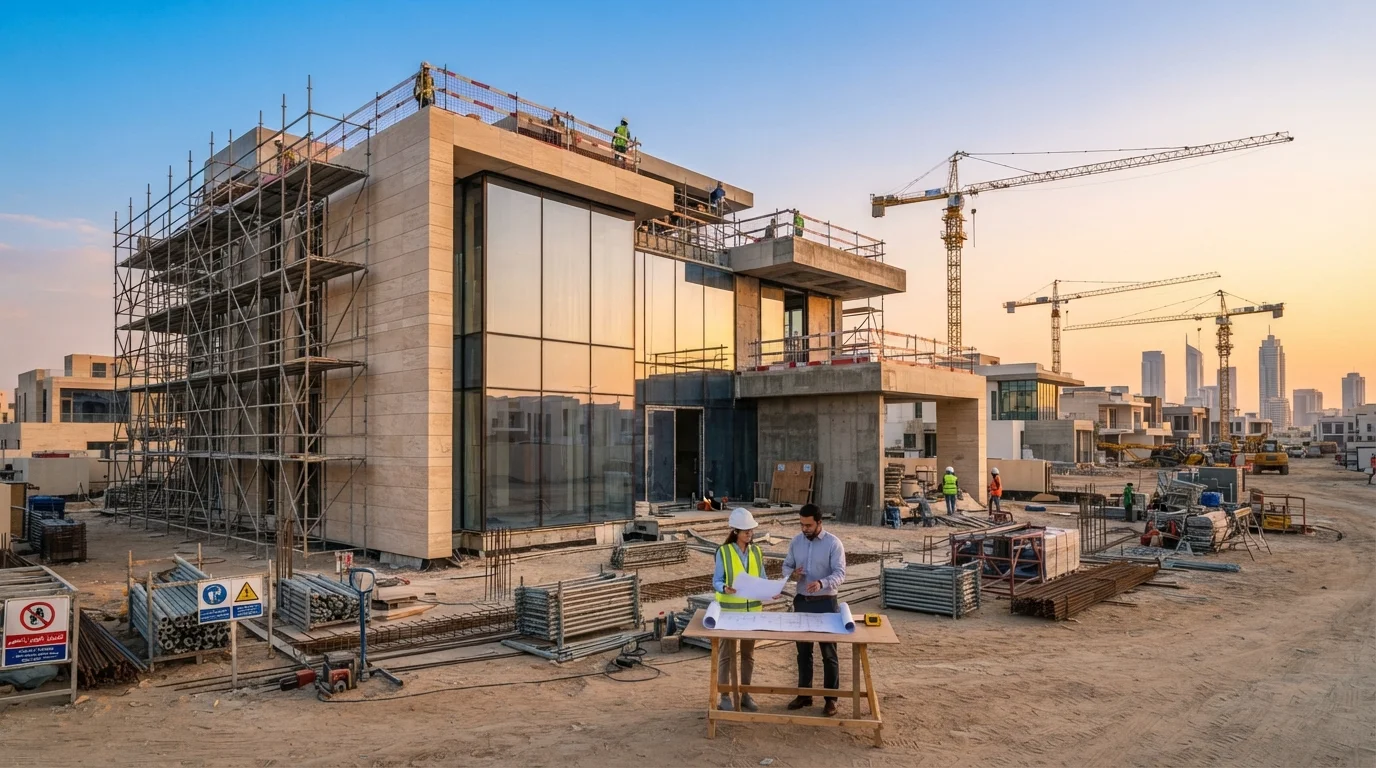
Starting a construction project, whether it’s a modest renovation or a sprawling luxury villa construction in Abu Dhabi, is one of the biggest investments a person or family will ever make. It’s exciting, but it’s also complex, involving budgets, permits, contractors, materials, and timelines that all need to work in harmony. Too many projects run into delays, cost overruns, or disappointing results simply because the groundwork wasn’t laid properly before construction began.
Whether you’re planning a brand-new home, a commercial development, or a complete villa fit out in Abu Dhabi, understanding the fundamentals before you break ground can save you significant time, money, and stress. Below are ten essential things every property owner should know before starting a construction project.
1. Define Your Vision and Requirements Clearly
Before you contact a single contractor or architect, take the time to define exactly what you want. Are you building a family home, an investment property, or a luxury estate with high-end finishes? Do you need a specific number of bedrooms, a particular architectural style, or dedicated spaces like a home theatre, gym, or majlis?
A clear vision helps everyone involved—from architects to villa construction services providers—understand your expectations from day one. Vague briefs are one of the most common reasons projects experience scope creep, miscommunication, and unnecessary revisions later on.
2. Set a Realistic and Detailed Budget
Budgeting is often underestimated in construction planning. It’s not just about the cost of materials and labor; you also need to account for permits, design fees, landscaping, interior fit-out, contingency funds, and post-construction costs like furnishing.
A good rule of thumb is to set aside 10-15% of your total budget as a contingency reserve for unexpected expenses. This is especially important for luxury villa construction in Abu Dhabi, where premium materials, custom finishes, and specialized craftsmanship can add layers of cost that basic budgeting often overlooks.
3. Understand Local Regulations and Permits
Every region has its own building codes, zoning laws, and permit requirements, and Abu Dhabi is no exception. Before construction begins, you’ll need approvals from relevant municipal authorities, and depending on the project’s scale, additional clearances related to environmental impact, utilities, or civil defense may also apply.
Working with professionals familiar with local regulations ensures your project doesn’t face costly delays or legal complications down the line. Skipping this step, or assuming your contractor will “handle it,” can lead to stop-work orders or fines later.
4. Choose the Right Location and Assess the Land
The plot of land you choose significantly affects your construction costs and design possibilities. Soil quality, drainage, topography, and proximity to utilities all influence how a structure is built and how much it will cost.
For luxury developments, location also plays a role in the overall value and lifestyle appeal of the property. A soil test and land survey should always be conducted before finalizing your design, as this data informs the foundation type and structural requirements.
5. Select an Experienced and Reputable Contractor
Your choice of contractor can make or break your project. Look for a firm with a proven track record in delivering similar projects, particularly ones offering comprehensive villa construction services that cover everything from structural work to finishing.
Ask for references, review past projects, and verify licensing and insurance. A reliable contractor should be transparent about timelines, costs, and potential challenges from the outset, not just tell you what you want to hear.
6. Work with a Qualified Architect and Design Team
Good design isn’t just about aesthetics; it’s about functionality, energy efficiency, and long-term durability. An experienced architect will help translate your vision into a practical, buildable plan while ensuring compliance with local building codes.
For luxury projects, architects also play a crucial role in optimizing space, natural light, and material selection to create a home that feels both grand and livable. Involve your design team early so that structural and aesthetic decisions align smoothly.
7. Plan for Interior Fit-Out from the Start
Many homeowners treat fit-out as an afterthought, something to figure out once the structure is complete. However, planning your villa fit out in Abu Dhabi alongside the main construction phase can save considerable time and money.
Deciding on electrical layouts, plumbing points, flooring types, and built-in features early allows for better coordination between construction and interior teams. This is particularly important for luxury villas, where custom joinery, smart home systems, and high-end finishes require precise planning to avoid rework.
8. Establish a Realistic Timeline
Construction timelines depend on the scale and complexity of the project, availability of materials, weather conditions, and approval processes. While it’s tempting to want a home built as quickly as possible, rushing can compromise quality.
Discuss a realistic timeline with your contractor, including milestones for structural work, MEP (mechanical, electrical, plumbing) installation, and fit-out. Build in buffer time for inspections, approvals, and potential supply chain delays, especially for imported luxury materials or fixtures.
9. Prioritize Quality Materials and Craftsmanship
Cutting corners on materials might save money upfront, but it often leads to higher maintenance costs and reduced durability over time. This is particularly true for high-end properties, where the quality of materials directly affects both aesthetics and longevity.
When engaging villa construction services, ask about the sourcing and quality standards of materials used, from structural components to finishing details like marble, wood, and fixtures. Investing in quality now prevents costly repairs and replacements later.
10. Maintain Clear Communication Throughout the Project
Regular communication between you, your architect, and your contractor is essential for keeping a project on track. Schedule periodic site visits or progress updates, and don’t hesitate to raise concerns as they arise rather than waiting until the end.
Clear communication also helps manage expectations around timelines, budget adjustments, and design changes. Projects that maintain open dialogue between all stakeholders tend to experience fewer disputes and achieve outcomes closer to the client’s original vision.
Final Thoughts
Constructing a home, especially a luxury property, is a significant undertaking that requires careful planning, the right team, and realistic expectations. From defining your vision and budget to selecting experienced professionals for construction and fit-out, every step matters.
Whether you’re pursuing luxury villa construction in Abu Dhabi or planning a complete villa fit out, taking the time to prepare thoroughly before breaking ground will pay dividends throughout the build and long after you move in. Partnering with experienced villa construction services ensures that your vision is executed with the quality, precision, and attention to detail that a significant investment like this deserves.
Frequently Asked Questions
How long does luxury villa construction in Abu Dhabi take?
Typically 12-24 months, depending on size, design complexity, and material sourcing.
What permits are needed to start construction?
Approvals from local municipal authorities, plus possible utility, civil defense, or environmental clearances depending on the project.
Should fit-out be planned separately from construction?
No. Planning your villa fit out in Abu Dhabi alongside the build ensures better coordination and fewer delays.
How do I choose the right villa construction services provider?
Look for a proven portfolio, valid licensing, transparent pricing, and clear communication from the first consultation.
What's a reasonable contingency budget?
10-15% of your total budget, to absorb unexpected costs or design changes.
Can I change the design after construction starts?
Yes, but changes made after structural or MEP work begins can be costly and cause delays.