

If you’ve ever stood in your living room wondering whether to knock down a wall or just knock down the whole house and start over, you’re not alone. It’s one of the most common dilemmas homeowners face — and honestly, there’s no one-size-fits-all answer. The right choice depends on your budget, your timeline, your emotional attachment to your current space, and what you actually want your home to look and feel like in the next chapter of your life.
Let’s break down both paths so you can make a decision you won’t second-guess a year from now.
Understanding the Two Paths
Before diving into pros and cons, it helps to understand what each option really involves.
What Building a New Home Means
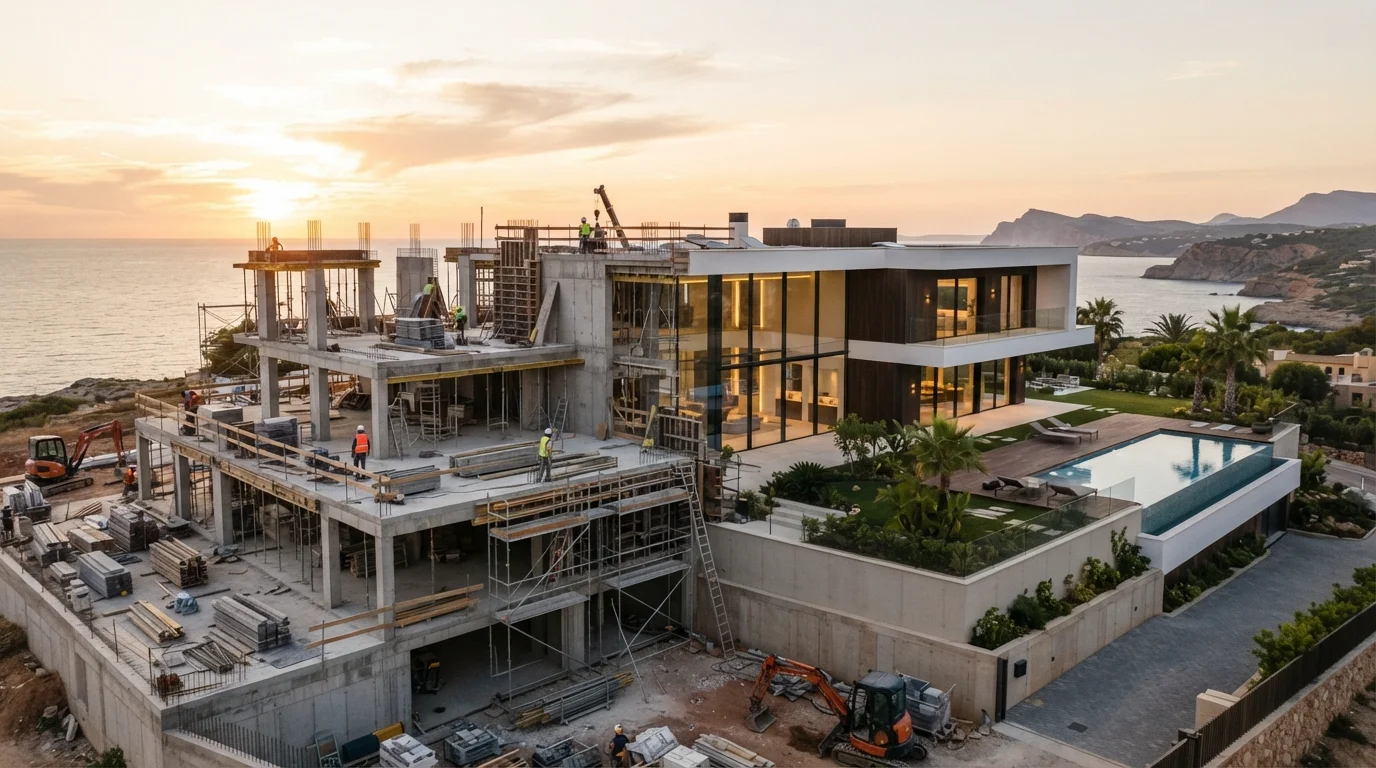
Building from the ground up means starting with a blank canvas — a plot of land, an architect’s vision, and a construction team that brings it to life. This route is popular among people who want complete control over layout, materials, and design. If you’ve been dreaming of a modern villa construction with floor-to-ceiling windows, an open-plan kitchen, or a rooftop terrace, new construction is often the only way to get exactly what you picture in your head.
What Renovating Means
Renovating, on the other hand, works with what you already have. It could mean anything from a minor kitchen refresh to a full gut renovation that touches every room. The bones of the house stay, but everything inside — and sometimes the exterior too — gets reimagined.
The Case for Building New
There’s something deeply satisfying about designing a home exactly the way you want it, without compromises dictated by an old structure’s limitations.
Complete Creative Freedom
When you build new, you’re not fighting against outdated wiring, awkward room shapes, or a foundation that limits how much you can expand. You get to decide everything — from the orientation of the house for natural light, to energy-efficient systems, to the exact finishes in every room. This is where working with a luxury general contractor really pays off, since they can help translate your vision into a home that’s both beautiful and structurally sound.
Long-Term Value and Efficiency
New homes are typically built with the latest building codes, insulation standards, and energy-efficient technology. That means lower utility bills, fewer maintenance headaches in the early years, and often better resale value — especially if you’re going for a high-end luxury house construction project in a desirable neighborhood.
The Downsides
Of course, building new isn’t without its challenges. It usually takes longer — sometimes a year or more depending on permits, weather, and design complexity. It also requires more upfront decision-making, since you’re choosing everything from scratch, which can feel overwhelming if you don’t have a clear vision or a trusted team guiding you through it.
The Case for Renovating
Renovating has its own charm, especially if you already love your neighborhood, your lot, or the character of your existing home.
Faster Turnaround
In many cases, renovations can be completed faster than new builds, particularly if you’re not touching the structural framework. A kitchen remodel or bathroom upgrade might take weeks rather than months.
Preserving What You Love
Maybe your home has a great location near your kids’ school, mature trees you don’t want to lose, or architectural details you simply can’t replicate. Renovating lets you keep the good stuff while upgrading the parts that no longer serve you.
The Downsides
The tricky part about renovating is the unpredictability. Once contractors start opening up walls, they might find outdated plumbing, structural issues, or mold — problems that weren’t part of the original plan but now need fixing. This can inflate your budget and timeline fast. There’s also a ceiling to what renovation can achieve; if your home’s layout is fundamentally limiting, no amount of remodeling will fully solve that.
Cost Comparison: What Really Matters
Upfront Costs
Generally speaking, renovations cost less upfront than building a brand-new home, especially for smaller-scale projects. But this isn’t always true for larger renovations. A full gut renovation with structural changes can sometimes cost nearly as much as new construction, especially if you’re aiming for a high-end finish.
Hidden Costs to Watch For
New builds come with costs like land preparation, permits, and utility hookups that people often underestimate. Renovations come with the risk of “surprise” costs once existing structures are opened up. Either way, it’s smart to budget an extra 15-20% buffer for unexpected expenses.
How to Decide: Key Questions to Ask Yourself
Do You Love Your Location?
If your current lot is in a prime location — near work, schools, or family — renovating might make more sense than uprooting entirely.
What’s Your Design Vision?
If you’re picturing something entirely different from your current home’s structure, like a sleek, contemporary modern villa construction, building new will likely get you there faster and with fewer compromises.
How Long Do You Plan to Stay?
If this is a forever home, investing in new construction with top-tier materials and systems might make more financial sense over the next 20-30 years.
What’s Your Risk Tolerance?
Renovation projects, especially older homes, can uncover surprises. If you prefer predictability, new construction offers a more controlled process from day one.
Working with the Right Team
Whichever path you choose, the outcome depends heavily on who you hire. A seasoned luxury general contractor brings not just technical skill, but project management expertise — coordinating architects, engineers, designers, and subcontractors so your vision doesn’t get lost in translation. For high-end projects, this partnership matters even more, since luxury house construction involves custom materials, specialized craftsmanship, and tighter attention to detail than standard builds.
Final Thoughts
There’s no universally “better” choice between building new and renovating — only what’s better for you, your budget, your timeline, and your long-term goals. If you crave a completely custom space and don’t mind the investment of time and money, new construction might be your best bet. If you love where you live and just need a refresh, renovation could get you there faster and for less.
Whatever you choose, take the time to consult with experienced professionals who can walk you through realistic costs, timelines, and design possibilities before you commit. The right guidance early on can save you from costly missteps down the road — and help turn your vision, whether it’s a full renovation or a stunning new build, into a home you’ll love for years to come.
Frequently Asked Questions
Is it cheaper to renovate or build a new home?
Renovating is usually cheaper upfront, especially for smaller projects. But large structural renovations can cost nearly as much as building new, so it’s worth comparing quotes for both.
How long does building a new home usually take?
A full custom build typically takes 8 months to over a year, depending on size and design complexity. High-end luxury house construction projects often take longer.
How long does a full home renovation take?
Smaller renovations can finish in a few weeks; full gut renovations can take several months, especially if unexpected issues come up.
What are the biggest risks of renovating an older home?
Hidden structural damage, outdated wiring or plumbing, and code compliance issues are the most common surprises. A thorough inspection beforehand helps avoid costly delays.
Does building a new home add more value than renovating?
New homes often have strong resale value due to modern systems and layouts, but a well-planned renovation in a good location can offer a comparable return.
When should I hire a luxury general contractor instead of a standard contractor?
For custom architecture, high-end materials, or large builds like a modern villa construction, a luxury general contractor brings the expertise to execute the vision without costly mistakes.